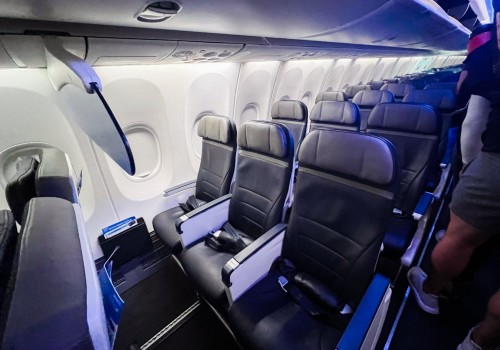
Moving by airplane requires careful planning, especially when you need to manage personal belongings across long distances in a limited amount of space. Unlike ground transportation, air travel comes with strict baggage regulations, weight limits, and security requirements that can complicate the moving process. To avoid unnecessary stress, it’s essential to plan ahead by identifying what items are truly necessary for immediate use and what can be shipped separately. Prioritizing essentials such as documents, valuables, medications, and a few days’ worth of clothing ensures that you remain prepared even if delays occur. For everything else, considering storage or freight shipping options can help reduce the burden of carrying too much through airports.
Packing Smart and Staying Organized
Efficient packing is one of the most important aspects of moving by airplane. Using lightweight, durable luggage and packing cubes can help maximize space while keeping items organized. Rolling clothes instead of folding them saves space and minimizes wrinkles, while vacuum-sealed bags are ideal for bulky items like jackets. Labeling your bags clearly and keeping an inventory list of your belongings can make it easier to track everything during transit. It’s also wise to distribute important items across multiple bags in case one gets delayed or misplaced. Liquids, electronics, and fragile items should be packed according to airline guidelines to avoid damage or confiscation during security checks.
Managing Excess Belongings with Storage Solutions
For many travelers, not everything can or should be taken on a flight. This is where storage solutions become an essential part of the moving process. Instead of overloading your luggage and paying expensive airline fees, storing non-essential items can provide a more practical and cost-effective alternative. Facilities like Greison Storage Mart offer flexible options for keeping belongings safe until you are ready to retrieve or ship them. This approach allows you to travel lighter while still maintaining access to your possessions when needed. By separating what travels with you from what stays in storage, you can create a smoother and more manageable moving experience.
Navigating Airport Logistics and Security
Airports can be overwhelming, especially when traveling with multiple bags or oversized luggage. Arriving early is crucial to allow enough time for check-in, security screening, and baggage handling. Understanding airline policies regarding carry-on and checked baggage can help you avoid unexpected fees or complications. It’s also helpful to keep important items such as passports, boarding passes, and essential electronics in an easily accessible carry-on bag. During security checks, being prepared to remove laptops, liquids, and other restricted items can speed up the process and reduce stress. Staying organized and calm throughout these steps ensures a more efficient airport experience.
Ensuring a Smooth Arrival and Transition
Once you reach your destination, having a clear plan for retrieving and organizing your belongings is key to a successful move. Check your luggage promptly at the baggage claim area and report any missing or damaged items immediately. If you have shipped or stored items separately, coordinate their delivery or pickup in advance to avoid delays. Taking the time to unpack strategically—starting with essentials—can help you settle in more quickly and comfortably. Moving by airplane may present unique challenges, but with proper planning, smart packing, and the use of storage solutions, it can be a highly efficient way to relocate. By staying organized and proactive, you can ensure that your belongings arrive safely and your transition to a new location is as seamless as possible.